Thermal Imaging Fire Detection & Suppression
A final-year mechatronics project focused on detecting thermal anomalies in waste-management environments and developing a motorised system capable of positioning a fire hose toward an identified hotspot.
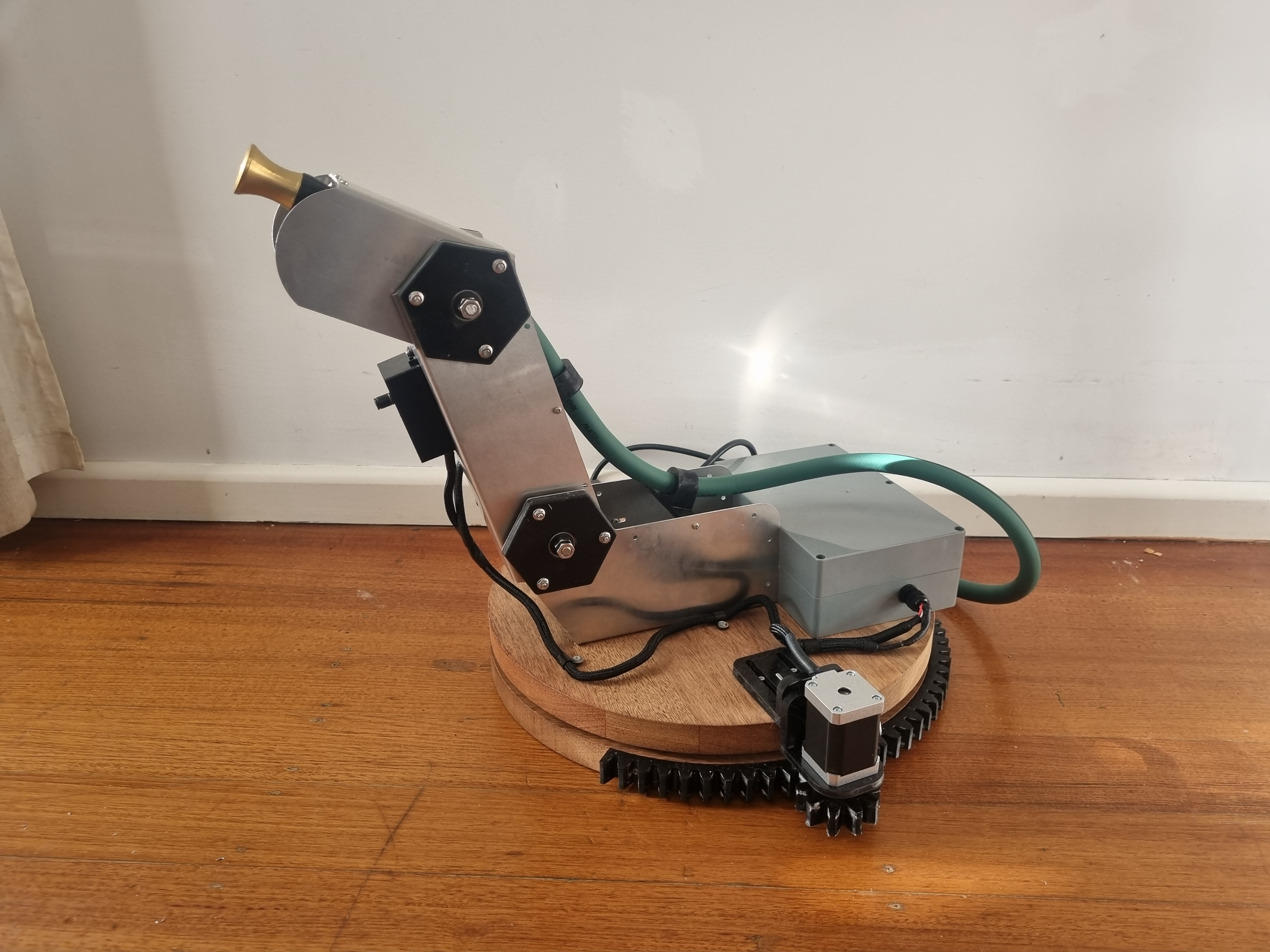
Completed prototype combining thermal detection, motorised positioning, distance sensing and a targeted hose assembly.
The project aimed to develop a cost-efficient thermal-camera system capable of identifying temperature anomalies and providing real-time information to plant operators. The wider system investigated automated positioning of a fire hose so that a response could be directed toward a detected hotspot.
The development combined thermal imaging, Raspberry Pi control, software, motor control, mechanical design, CAD, prototyping and practical testing.
- Develop a thermal imaging system for identifying potential hotspots.
- Process thermal data and identify temperature anomalies.
- Implement motor control for accurate positioning.
- Develop a movable, Raspberry Pi-controlled fire-hose mechanism.
- Test the prototype and measure detection and positioning performance.
Captured thermal images so the system could locate areas of elevated temperature and identify potential hotspots.
Measured the distance to the detected hotspot, providing information used when positioning the hose nozzle.
Provided controlled positioning of the system so the detection and response hardware could be directed toward a target.
Adjusted the hose angle independently to align the response with the location identified by the thermal system.
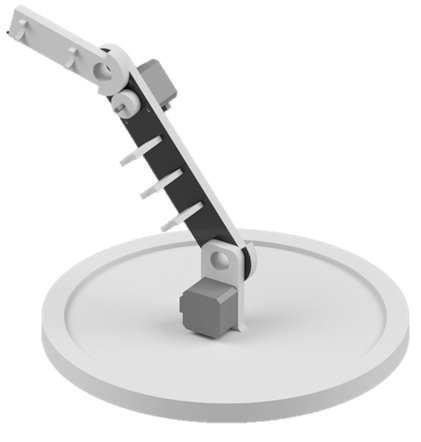
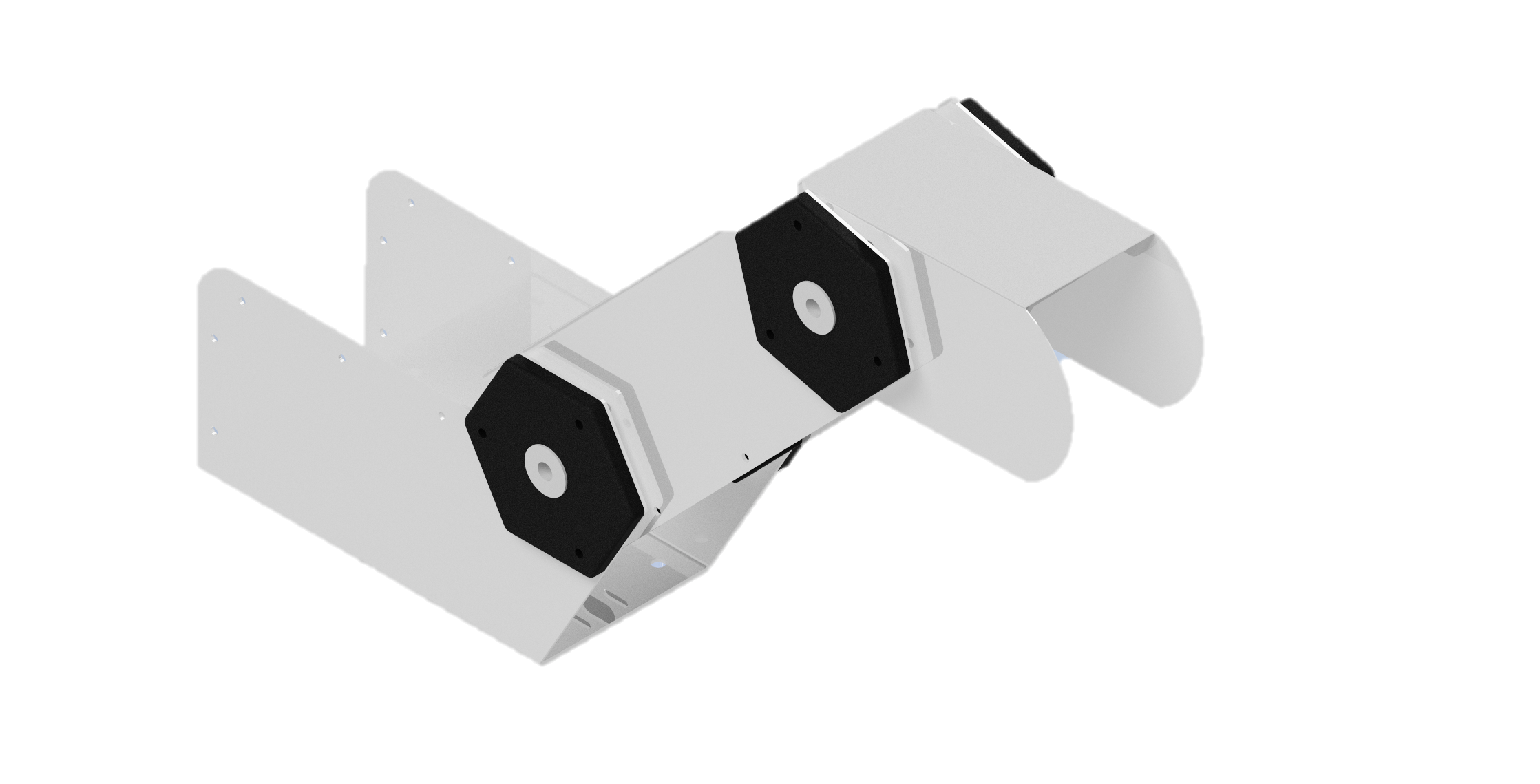
The mechanical system was developed through CAD and physical prototyping, with the design incorporating the moving platform, articulated structure, motors, hose assembly and sensor hardware.
The prototype combined fabricated components with 3D-printed and laser-cut elements, with the mechanical structure designed around the movement and positioning requirements of the detection and response system.
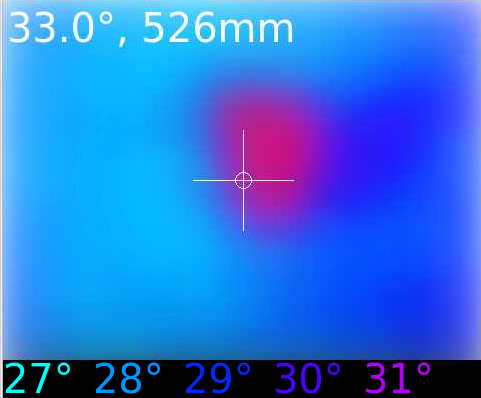
The thermal camera provided the primary temperature information used to identify potential hotspots. Testing examined different temperature rises above the threshold and different hotspot positions relative to the system.
The prototype was tested over more than 100 trials, including different temperature thresholds, hotspot positions and distance-sensor measurements.
Identification became faster as the hotspot temperature increased above the threshold.
The system was tested over 100 times on varying samples. The reported limitation was reduced thermal-camera resolution at greater distances.
Two hotspot scenarios were tested: directly in front of the thermal system and offset at an angle. Testing was performed at 20 cm, 30 cm and 40 cm with the hotspot maintained at +20°C above the temperature threshold.
Identification times ranged from approximately 1.67 s to 1.92 s across the tested positions.
Measurements were compared against an external laser range finder and standard measuring equipment.
The system performed effectively when the hotspot was positioned either directly in front of or offset from the thermal detection system. At the temperature threshold, fluctuations caused some identification issues, while hotter targets were identified more efficiently.
The main reported limitation was the resolution of the thermal camera when operating at greater distances. This became a significant consideration when evaluating detection performance across the test range.
This project brought together thermal sensing, embedded software, motor control, mechanical design and physical testing into a single working mechatronics prototype. The result demonstrated an integrated approach to detecting thermal anomalies and positioning a targeted response system, with measured performance used to identify both strengths and limitations of the design.